June 2, 2026
In recent years, home remodeling budgets have seen a substantial increase, capturing the interest of homeowners and industry professionals alike. Understanding these drivers can reveal significant insights into the evolving nature of home renovation expenditures. Let's look at the factors contributing to this trend so you can better navigate the current landscape of the remodeling industry.
Inflation and Material Costs
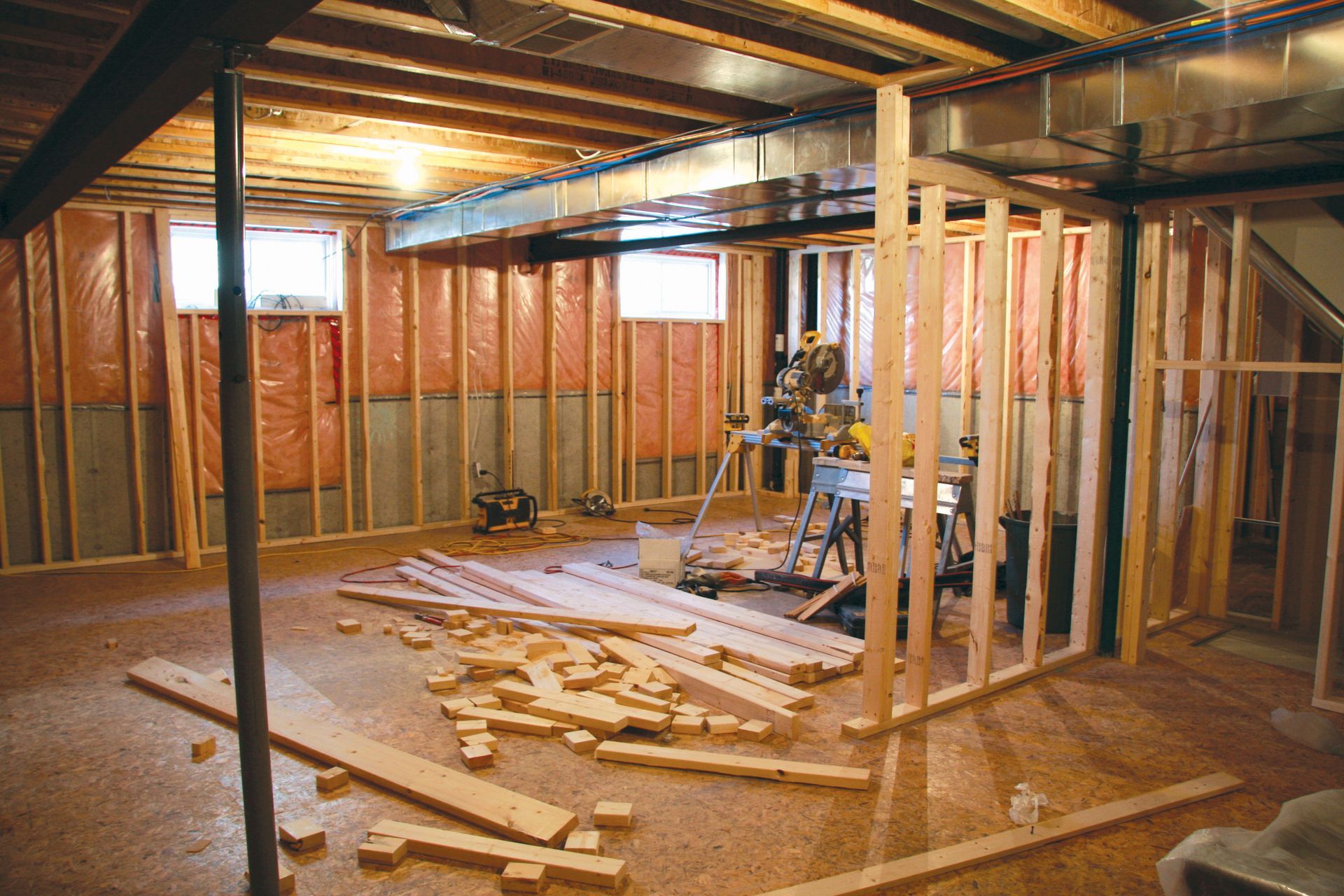
Economic conditions play a crucial role in determining the scale and scope of home remodeling budgets. One major factor influencing these expenditures is inflation, which affects the cost of building materials. From paint to lumber and steel, material prices have surged, prompting higher overall renovation costs. Homeowners are often confronted with sticker shock, as baseline costs for upgrades and remodeling projects exceed initial expectations. The inflationary pressures exacerbate the logistical challenges of sourcing materials, further complicating budget management.
Material cost increases have a cascading effect on the entire remodeling ecosystem. Suppliers and contractors must adjust their prices to reflect the rising costs, which ultimately trickle down to homeowners. This chain reaction necessitates strategic financial planning on the part of those investing in home improvements. Potential cost-saving measures may involve sourcing alternative or reclaimed materials, yet these choices can also bear their own set of expenses and trade-offs. Navigating this economic landscape requires an awareness of the market trends driving these changes.
Labor Market Dynamics
The availability and cost of skilled labor are other critical factors impacting home remodeling budgets. According to CivicScience, 40% of homeowners planning renovations in early 2026 intend to have a professional handle the work entirely. This is a wise decision, as nothing beats the work of a professional home remodeler. However, fluctuations in the labor market can profoundly affect project timelines and overall expenses. When skilled labor is scarce, wages climb, contributing to higher project costs. Homeowners must navigate these dynamics by strategically sourcing reputable contractors and negotiating competitive rates. Moreover, delays in scheduling due to labor shortages can further escalate expenses as projects extend longer than anticipated.
In combination with material costs, labor dynamics create a dual pressure on remodeling finances. As the demand for home improvements increases, a home remodeler can find themselves balancing rising costs with customer expectations for quality and efficiency. To manage these challenges, many contracting firms invest in workforce training for enhanced skills and productivity. This approach can mitigate the strain on resources by ensuring that skilled labor is both available and equipped to meet current demands. However, these proactive measures often require financial outlays themselves.
A home remodeler needs to stay abreast of the labor market trends to tailor their strategies accordingly. Competing effectively in a competitive market requires agility and a willingness to innovate in workforce development. Engaging in partnerships with vocational programs and advocating for trade education can help maintain a robust labor pool. As labor market dynamics shift, the ability to adapt quickly becomes a crucial determinant of project success and budgetary adherence.
Home Value Appreciation
The appreciation in home values is a significant driver of increased remodeling budgets. As property values rise, homeowners often feel incentivized to invest further in improvements to maximize their equity. Upgrading certain features can yield a higher return on investment when considering eventual resale potential. In many cases, the increase in home value justifies the initial outlay for remodeling, as enhancements often lead to better marketability and buyer appeal. This upward trend boosts economic confidence among homeowners.
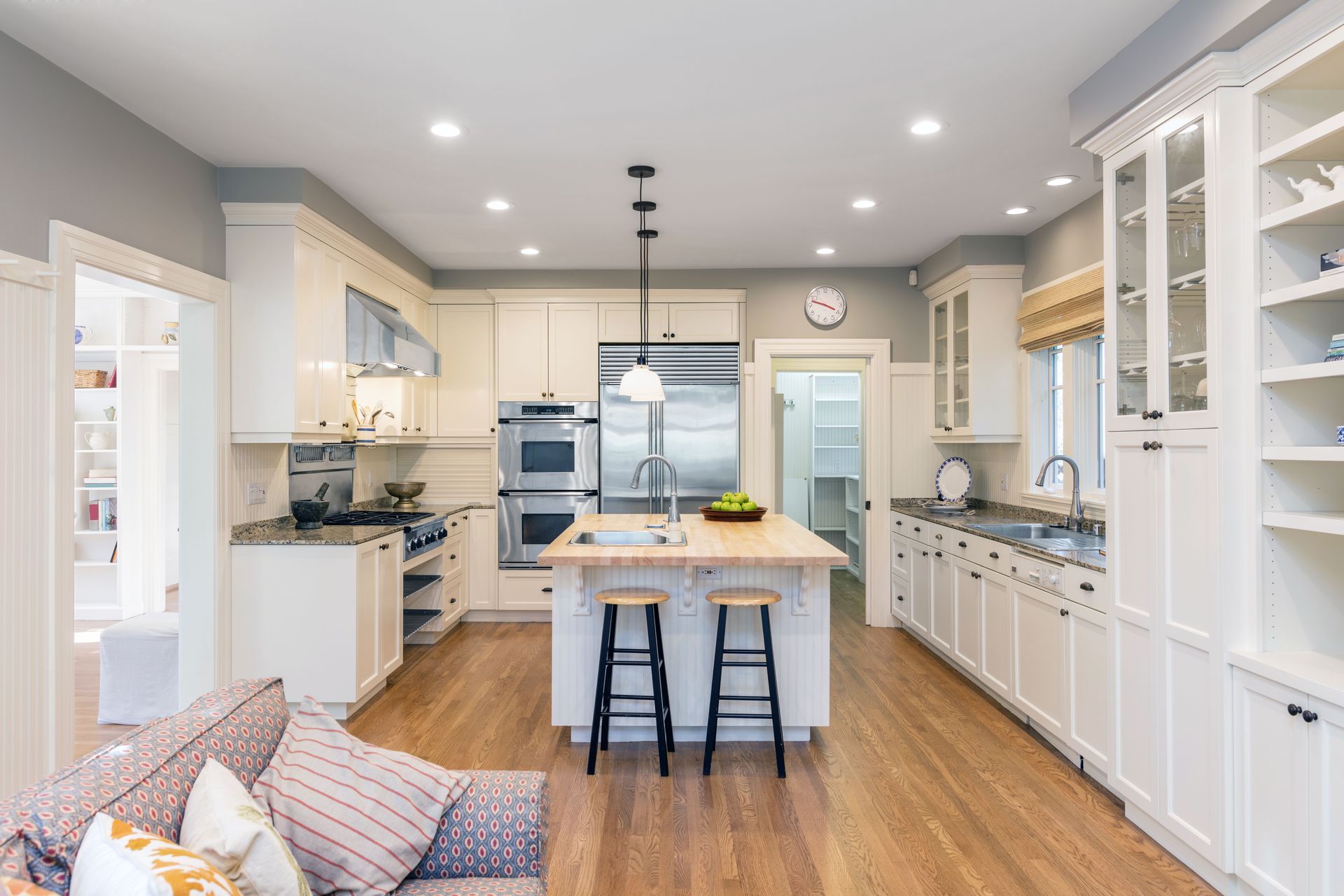
Owners see remodeling not just as an expense but as a strategic investment into their property's future valuation. Enhancing kitchens, bathrooms, and other high-impact areas can significantly raise a home's overall worth. This financial optimism encourages more comprehensive renovation plans, sometimes encompassing entire property overhauls. For many, this translates into larger project scopes and, consequently, larger budgets. It reflects a growing awareness of real estate trends and the influence of home improvements on market perceptions.
Despite the temptation to pursue extensive renovations, homeowners must assess the balance between cost and value realistically. Overcapitalizing on remodeling can pose risks if the upgrades surpass the maximum value attainable in the area. Working closely with real estate experts and leveraging market data can assist in determining the most advantageous projects to undertake. Understanding the locality-specific impacts of home value appreciation can ensure that remodeling investments are both pragmatic and fruitful.
Influence of Home Improvement Shows
Home improvement shows have a pronounced impact on the remodeling industry by shaping consumer expectations and aspirations. These programs depict stunning transformations, sparking interest in replicating similar results independently. The allure of televised remodels encourages homeowners to invest in their living spaces. As viewers witness remarkable home upgrades within short time frames, they become motivated to achieve comparable enhancements through their efforts. Consequently, the popularity of these shows influences remodeling budgets by providing realistic and inspiring visual examples.
The dramatization of home projects often glosses over complexities and challenges inherent in actual remodels, resulting in inflated expectations. Homeowners must balance the inspirational content with practical budgetary realities to avoid overextending financially. These shows ignite creativity and bring awareness to new trends and design possibilities. However, contractors are often called to manage the gap between portrayed outcomes and authentic experiences. Home improvement media broadens knowledge and creativity, but also necessitates responsible interpretation.
A home remodeler can capitalize on this trend by offering educational resources that bridge inspiration with pragmatism. This involves clear communication on costs, timelines, and technical feasibility, helping clients form realistic expectations and make informed decisions. By integrating popular media into strategic marketing, contractors can align services with consumer enthusiasm. Understanding the dynamics of media influence facilitates a relationship that enhances project satisfaction and ensures clients embrace balanced remodeling aspirations.
Social Media Inspiration
Social media platforms serve as dynamic sources of inspiration, transforming how homeowners approach remodeling projects. Networks like Pinterest and Instagram host extensive visual content, enabling users to explore and curate design ideas. As users share images and advice, a global community emerges, emphasizing creativity and resourcefulness. This real-time exchange of visually appealing content encourages homeowners to adopt ambitious remodeling plans, driving increased demands for innovative features and higher spending.
Exposure to diverse design styles on social media expands options and imagination. Beyond aesthetics, these platforms provide user-generated reviews and expert tips, influencing purchasing decisions and remodeling directions. Frequently updated feeds allow homeowners to remain abreast of emerging trends, ensuring they pursue relevant and contemporary renovations. The ease of accessing ideas fosters creativity and offers practical solutions that align with individual tastes and values, enhancing remodeling outcomes.
The interplay between social media, design trends, and consumer behavior is evident, emphasized by a heightened emphasis on aesthetics. The connectivity provided by these platforms stimulates communication between homeowners, builders, and designers, fostering collaborative dialogue. The resulting exchange nurtures innovation while accommodating personalized touches. Integrating social media insights into the design process can lead to superior remodeling experiences, supported by diverse perspectives and abundant inspiration.
Ultimately, rising home remodeling budgets reflect a combination of economic pressures, shifting consumer priorities, and growing interest in personalized living spaces. Inflation, labor shortages, increasing property values, and the influence of media all contribute to larger renovation investments across the housing market. While these factors can create financial challenges, they also present opportunities for homeowners to improve comfort, functionality, and long-term property value. Careful planning, realistic budgeting, and collaboration with an experienced home remodeler like Raf Development Corp can help homeowners make informed decisions throughout the remodeling process. Reach out to us today to get started!